Open post

Makeup Trends That Will Explode This Year and Next and How to Stay Ahead of the Curve [2022]

When you own your own beauty line, choosing the right products can be the difference between brand virality and seasonal decline. However, with countless products available and trends changing year in and year out, it can seem impossible to stay ahead of the curve. If you can relate, fear not! We have done the research, so you don’t have to. Below are the top makeup trends that have been exploding in 2022 and are trending to carry into 2023 as well.

Natural Eyebrows

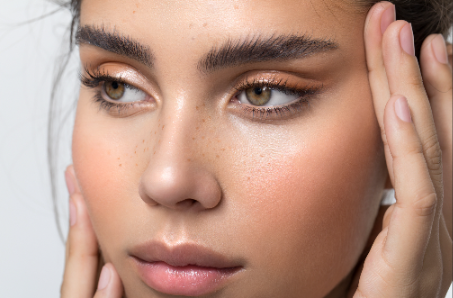
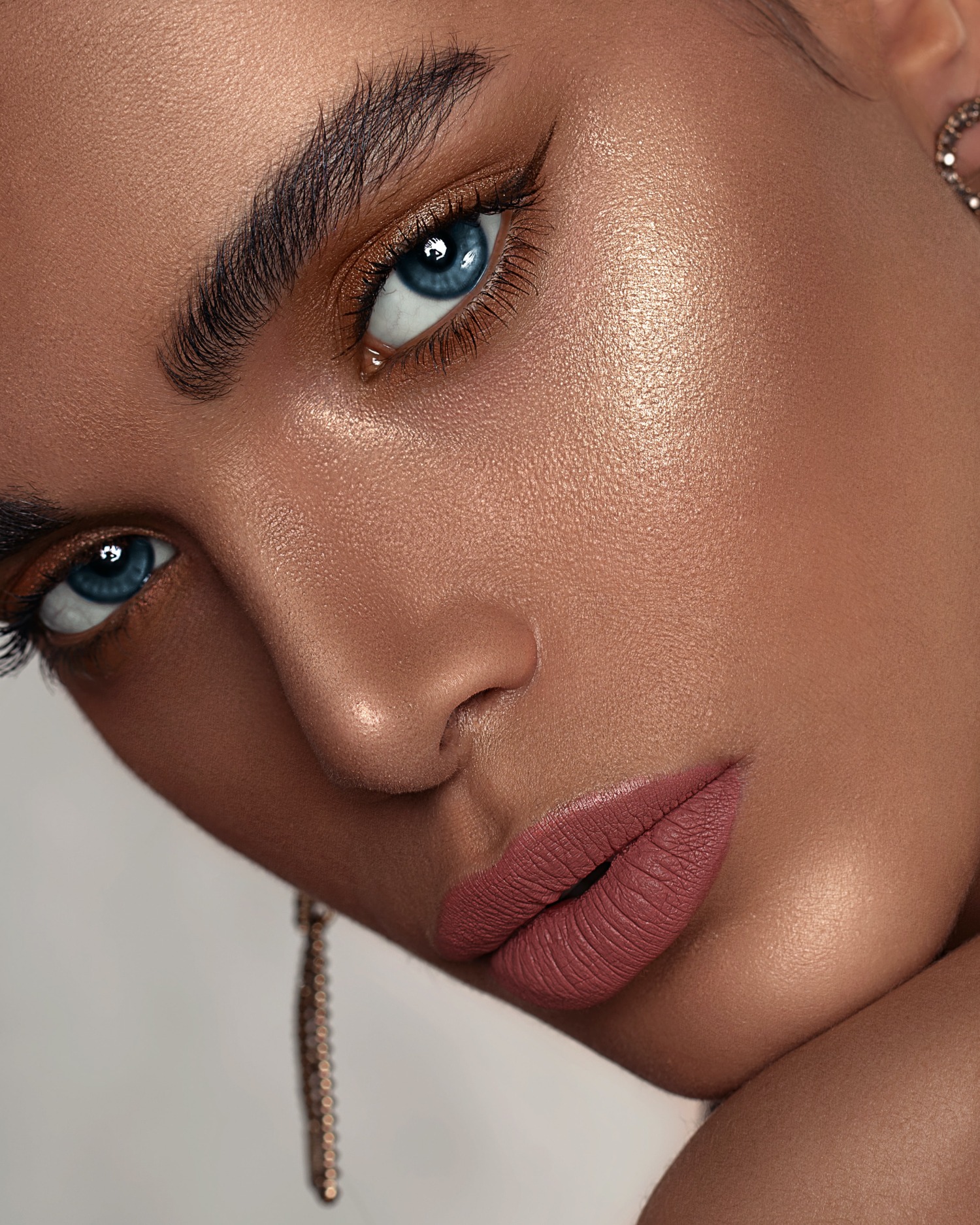
We’ve been seeing a lot of natural eyebrows lately, and it’s a trend that’s here to stay. Gone are the days of tight arches and stenciled-on brows! Consumers want their brows to look fuller, fluffy, and natural. Think wax or laminate and eyebrow pens that let them replicate their hair’s natural growth. As such, we have also seen an uptick in eyebrow growth serums. Below are some of our private label products that can help you stay ahead of the trend.

Eyebrow or eyelash growth serum

Our Brow & Lash Growth Serum is powered with a high percentage (5%) of Capixyl derived from Red Clover Extract and Acetyl Tetrapeptide-3, a biomimetic peptide that will strengthen, lengthen, thicken and stimulate natural, noticeable hair growth. Clinical data results have proven a significant increase in hair growth and density while preventing hair loss.

Arch-ology brow pencil

A unique brow pencil with a triangle tip creates the perfect brow in minutes. The triangular shape allows you to sculpt with broad strokes using the flat edge of the pencil, as well as fill in with fine lines using the pointed tip. This unique triangular shape ensures precision application. Use the brush at the opposite end of the pencil to fine-tune the shape of the brow. This advanced formula combines powder, pencil, and wax to create naturally fuller brows. The lasting pigments release upon contact with the brows, while the soft waxes allow the pigments to fasten to the hair, subtly building volume in turn, enhancing the symmetry of your face.

Wonderbrow

Colorlab’s Wonderbrow Brow Tint colors define and enhance brows. Wonderbrow fills brows, set them in place, and emphasizes the natural arch. Can be used alone or mixed with mineral powders to alter the shade
Eye Glitter

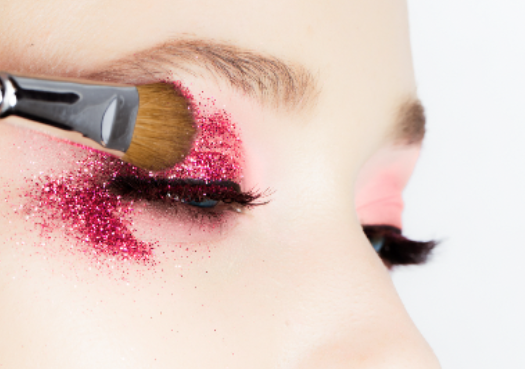
Thanks to HBO’s Euphoria, eye glitter is back in! While consumers are opting for more natural looks during the daytime, glitter is coming out at night—particularly among the gen-zers. It is now popular to add it to the center of their top lids or create a teary under-eye effect. While all forms of glitter are making a comeback, the larger-piece dimensional glitter and translucent, vibrant glitter are taking the cake. Here are some of our glitter products that complement these growing glitter trends:

Eye art dimensional glitter

Dimensional Foil that makes a statement. Add a dab of Stuck on You Eyeliner Fixative for staying power to achieve the straight-off-the-runway look.

Fashion stack

Fashion Stack in yellow, fuchsia, blue, and purple. Soft and feminine glitter to add a sparkle to any look.
Bright lip colors

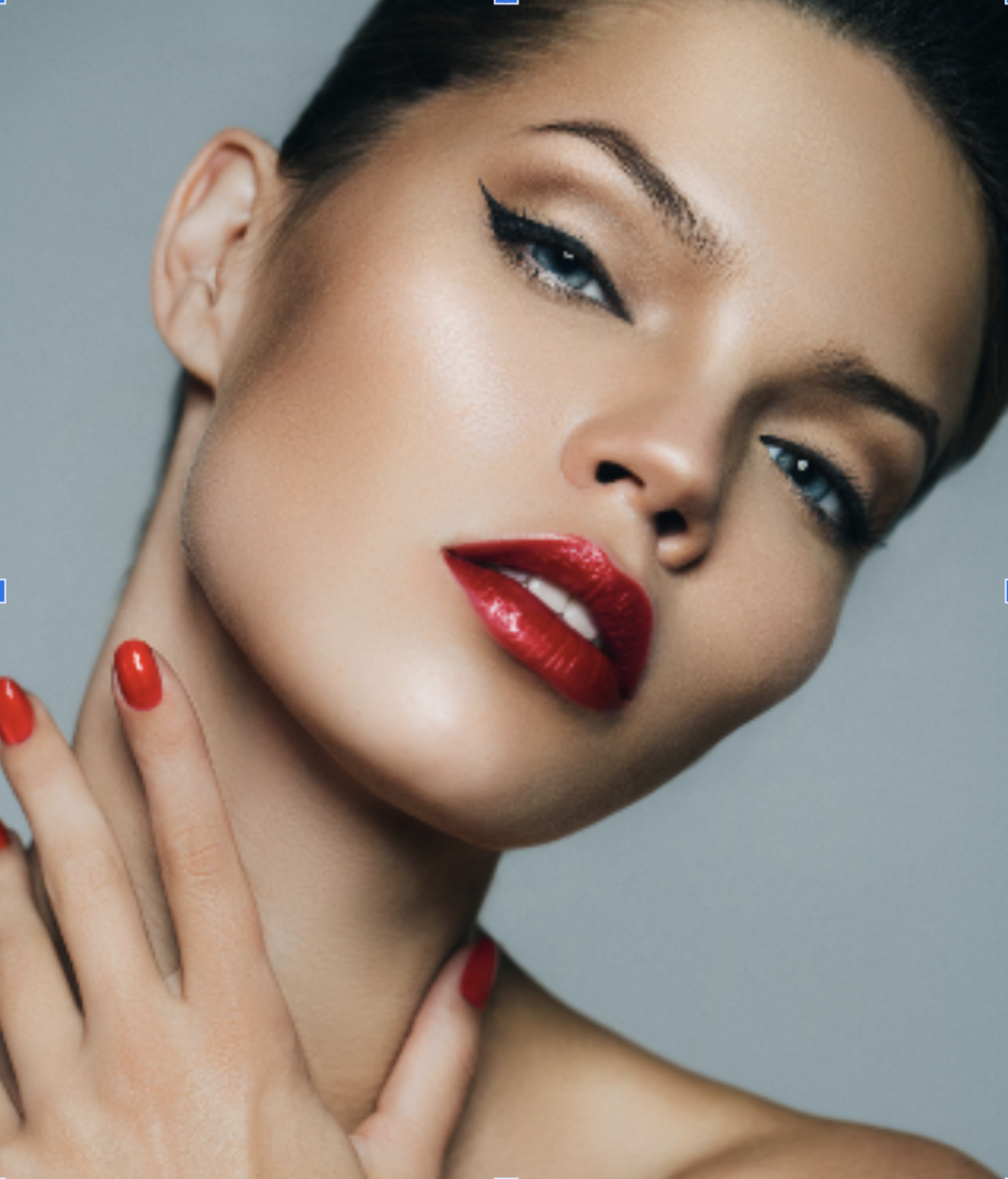
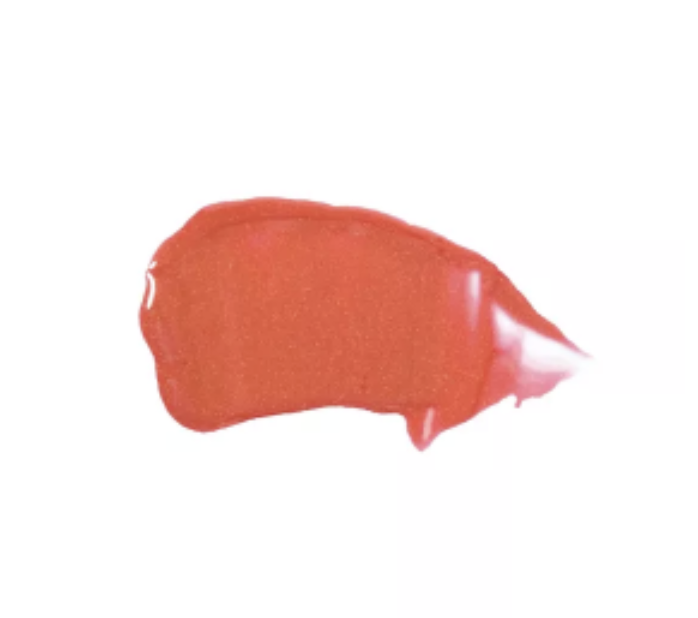
We’re seeing a lot of bright lip colors this year, and they’re only going to get more popular. These shades are perfect for making a statement—from electric pinks to vivid oranges. Satin and glossy finishes tend to be outperforming matte textures. Because natural skin and brows are trending, the bright lip colors are often paired with a more neutral, subtle, or otherwise natural look. Here are some products that will help you give your customers the bright lip shades they are looking for.
Smooth Creamy Lipstick in Casual Affair

Smooth, creamy lipstick infused with Vitamin E and Jojoba that soothes, hydrates, moisturizes and protects lips. Lipsticks add color and shine to lips with conditioning benefits that continue even after the color is removed.
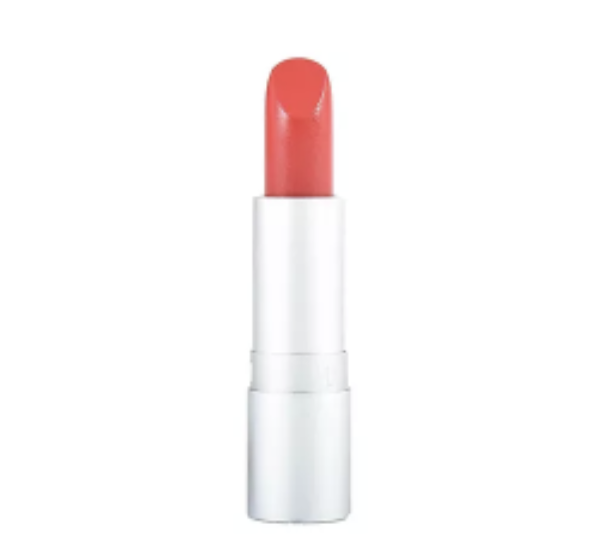
Smooth Creamy Lipstick in Only in Florida
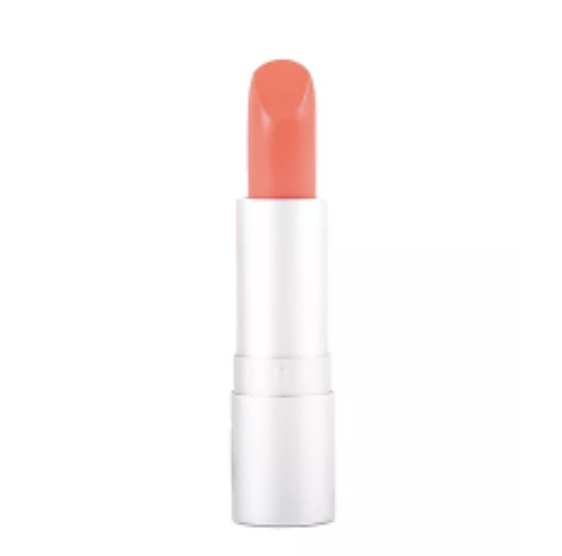
Sheer Shiny Lipstick in Kissed by Rose

Sheer lipstick infused with Vitamin E and Jojoba that soothes, hydrates, moisturizes and protects lips. Lipsticks add color and shine to lips with conditioning benefits that continue even after the color is removed.
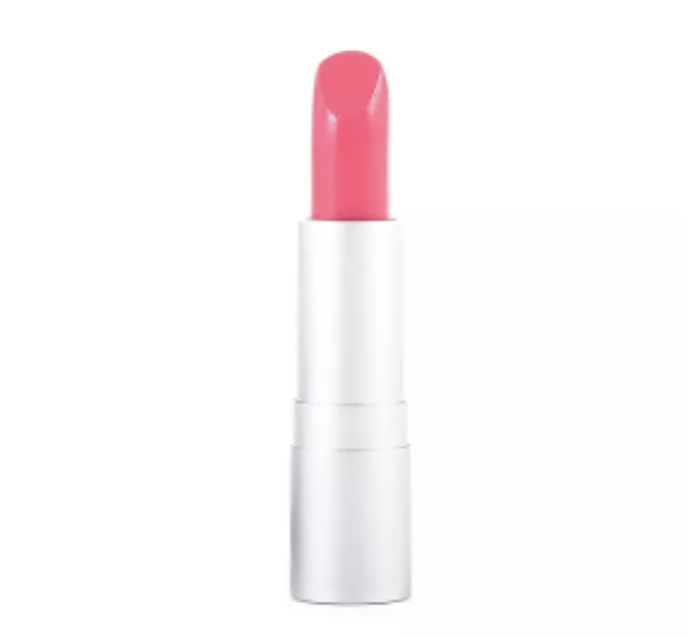
Sheer Shiny Lipstick in U Wear It Well
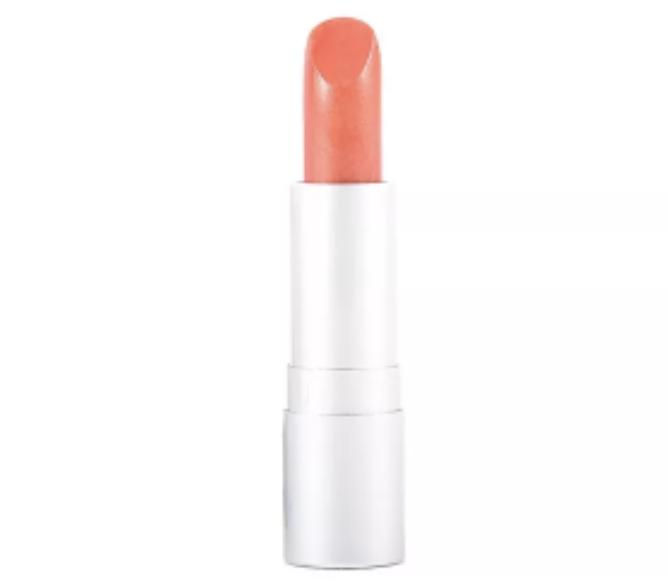
Lip Gloss in Not So Innocent

High shine color pampers lips with Green Tea extract and antioxidant Vitamin E.
Dewy, natural skin

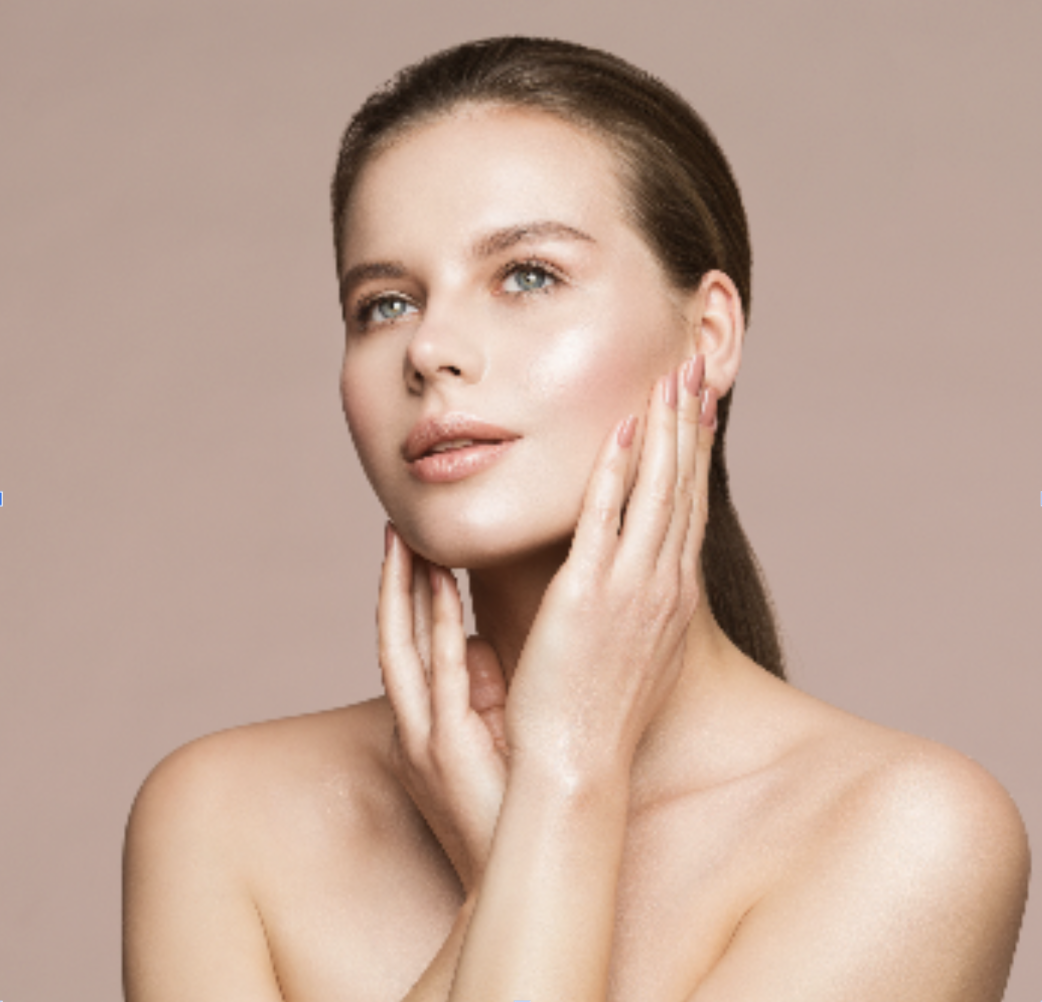
One of the biggest trends we’re seeing for 2022 is dewy, natural skin. This look is all about achieving a healthy, hydrated glow. While usually, we see a spike in this trend during the summer, this time, it has remained popular all year long. The trend begins with skincare, specifically products with a focus on hydration, moisture, and sun protection. Then we see lighter coverage, natural or satin-finish foundations, or skin tints accompanying this trend. To offer your own natural-skin products, try selling some of these products:

Daily dose skin nutrients

Packed with nutrients that hydrate, firm, soften and reinvigorate the skin. Loaded with Sodium Hyaluronate derived from marine ingredients Chondrus Crispus Seaweed and Chondrus Crispus Seaweed Extract, delivers immediate visible results as it melts into the skin producing a moisture-locking treatment. Can be used alone or as a booster.

Skin infusion – hydrate

Drench your skin with Sodium PCA, a natural Amino Acid and Prickly Pear a powerful humectant that attracts and retains moisture onto the skin.

Moisture tint foundation

This ‘good for you formula’ is lightweight and sheer for naturally radiant skin. The nourishing aloe-based formula is loaded with a full menu of active ingredients; Argireline, Collagen Tripeptides, Copper, Manganese, Zinc, Sodium PCA and Vitamins A, C and E.

Reflective Finish Compacts

Reflective Finishing Powders, made with skin nourishing actives, have been infused with illuminating mineral pearls to finish skin with a natural sheen and outer glow. The surface treated minerals, high-tech velvetizers and optical diffusers create a silky texture and un-powder finish that will not settle into lines. Powders allow light to bounce across the skins surface and diminish fine lines and wrinkles. These powders contain a water shuttle time-release microfilm that hydrates the skin. Loaded with Diamond Complex and Diamond Peptides that penetrate, protect and prolong cell function while creating a silky smooth, soft focus, line diffusing effect
Graphic eyeliner

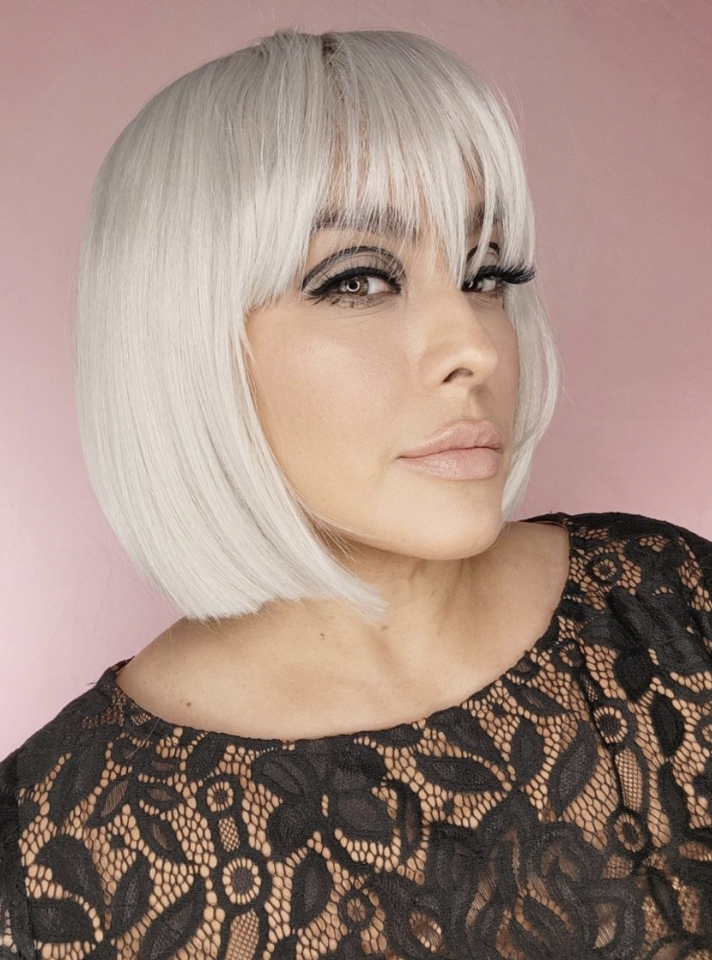
We’re seeing a resurgence of graphic eyeliner, with celebrities and influencers alike rocking the look. The key to this trend is precision: use a fine-tip liquid liner to draw on your desired shape, then fill it in with a matching eyeshadow. For a more subtle take on the trend, try using a dark eyeshadow instead of liquid liner. Try adding one of these to your product line:

Pressed eyeliner compact

​​Now you will have several ways to create the elongated liner, cat eye or just a thin line of eyeliner to fill in the baseline of lashes. Use with our Stuck on You! Eyeliner Fixative for the ultimate in long-lasting eyeliner.

Waterproof gel eye liner pencils

High pigmented, ultra-smooth, smudge-proof, waterproof gel eye pencil in an array of shades that will enhance the eyes with precise definition or smolder for a dramatic effect. Retractable pencil that includes a built-in sharpener to create a super fine point.

Matte eyeshadow compacts

Colorlab’s luxuriously silky pressed mineral eyeshadows glide on smoothly and effortlessly for long lasting, crease-proof color. Delicately milled and microfine, the mineral shadows reflect light away from fine lines and add vibrancy to the eye. They are free of talc, fragrance and other skin irritants.
Don’t see a product you are looking for? Contact us about contract manufacturing, or make your own from your office with one of our custom blend systems.
Open post

How to Start a Successful Makeup Line Using Private Label

Have you ever wanted to start your own makeup line? You’re not alone. There are plenty of men and women out there who want to become the next big name in beauty, but don’t know where to start. This article will teach you how to create your own makeup line using private label and other products, so that you can join the ranks of beauty moguls like Jeffree Star and Kylie Jenner.

What is Private Labeling?

Private labeling is when a company manufactures products but allows another company to put their own brand on the products. This is common in the makeup industry because it is a way for small companies to get started without having to invest in their own manufacturing facilities. Private label is an effective and affordable way to start a beauty line and eliminate the risk associated with developing your own products.

Pros and cons of Private Labeling

The pros of private labeling are that you can get your products quickly and inexpensively, and you have full control over the branding. You can start in as little as 15 days with stock products. The cons are that you will have to use the stock packaging of the private label manufacture.

How to Start a Successful Makeup Line Using Private Label

Choose a Manufacturer

The first step to starting your own makeup line is finding a reputable manufacturer who can produce high-quality products at a reasonable price. There are many manufacturers out there, so it’s important to do your research and find one that is reliable and has a good track record—like Colorlab Private Label.

Choose a Niche or Marketing Angle

Before you can start your makeup line, you need to choose a niche or marketing angle. This will help you determine what kind of products you’ll sell and how you’ll position yourself in the market. For example, will you focus on natural ingredients, eco-friendly packaging, just one ‘hero’ product or a complete line of cosmetics or skincare. Once you’ve decided on your niche, research your competition and make sure there’s a gap in the market for your products.

Select Your Products

The next step is to select the products you want to sell. You may want to consider starting with a small line of products that you can produce and market well. To start, look for products that align with your marketing angle and business goals. For example, if you have more experience in skincare than makeup, then it would be better for you to focus on selling those products initially instead of trying to do both at once.

Put Together a Marketing Plan

A great marketing plan will help you determine your target market, what platforms to use to reach them, and what type of content will resonate. Plus, it’s a good way to keep track of your progress and budget. Without a plan, it’s easy to get lost in the sea of social media or spend too much money on ads that don’t perform well.

Start Selling Your Products

With private label, it doesn’t take a lot of time or capital investment to start selling your products. What you will need is some patience and creativity. When you order with Colorlab, you can start selling your own products in less than 15 days.

Collect Customer Feedback

One of the most important things you can do when starting a makeup line is to collect customer feedback. This will help you determine what they like about your products, what products they’d like to see more of. This will help you build a brand that your customers love. You can collect feedback through surveys, social media, and even in-person interviews.

Other Options

You have a few options when it comes to manufacturing your cosmetics. If you want more control of the process, you can create custom blend formulas, or contract out manufacturing. Each option has its own set of pros and cons.

Custom blending can be used various ways.

  • Create shades that are unique to your brand and submit them as your shade standards in the contract manufacturing process.

  • Create a unique product and experience for every client. It’s a great personalized concept that is individualized for every customer. The bonus here is that products and shades can only be purchased from your retail location!

Contract manufacturing allows you to use your own packaging, create formulas or use stock formulas. The minimum per product is higher and product production takes longer.

Private label is the most affordable option, then build your brand and graduate to contract manufacturing.

To get started with your own beauty line, visit Colorlab Private Label today!

Open post

Market to Market

“I’ve done my research. I’ve found a great manufacturer for my product line. I’ve pinpointed my brand identity and found my niche market. I’ve even created my logo and brand aesthetic. Now I have to actually sell my product!! Where do I even start?”—

This is a conversation that happens more often than you’d think. The early stages of building a brand involve a lot of creativity and thinking outside of the box. You find a quality product that you stand behind and you make a ton of creative decisions to build a brand around it. Then it comes time to market your brand, and everything becomes logistics and numbers. The truth of the matter is, marketing and selling takes a ton of creativity too!

The market is constantly changing, and we tend to focus on profit when stepping into the retail arena. Your profit is highly dependent on the mode in which you chose to sell. There are five common ways the retail market operates: brick-and-mortar/face-to-face, partnering with other merchants, online/eCommerce, social media, and local markets.

Let’s dive into what those markets look like to you as a retailer, and narrow down what will work best for your business and why…

We’ll start with the most traditional and long lasting of marketplaces—the brick-and-mortar store/face-to-face approach. Since the earliest days of trading, buyers and sellers have come together in a physically to exchange their goods. This is how we’ve done business for as long as we can trace back in humanity. Even ten years ago the thought of face-to-face sales going by the wayside would have sounded insane. How can a business succeed without a physical presence and a customer-facing service?

What we’ve learned over the last decade, and over the last two years especially, is that having an actual storefront isn’t always a benefit to every business. In fact, it’s a financial detriment to some. Brick-and-mortar stores can be expensive. They require a lot of overhead, including rent or mortgage payments, utilities, merchandising, etc. Serving as a fantastic alternative, some modern retailers who are set on having a physical storefront are opting for retail “collectives” or pop-up shops. This allows vendors to come together in a shared space while maintaining control of their own product line—a far more affordable option!

Another affordable way to market your product within a storefront is to sell through another merchant. For instance, if you’re in the skincare business, network amongst estheticians and plastic surgeons. You’ll find that many are open to having a retail business within their practice, but don’t know where to start. Or may you know a hairstylist who really wants to bring a makeup element into their salon! Just remember, networking is key when it comes to selling within someone else’s place of business.

When looking at the landscape of modern retail services, the hardest hitter is going to be an online/eCommerce store. While not every retailer is going to have a storefront, you can bet your bottom dollar that nearly every retailer on planet Earth has access to their product via a website or online marketplace. While a website doesn’t create business via foot traffic, there are ways to sway digital traffic your way. This can be accomplished by knowing who you’re hiring to help. Hiring the right team of professionals to build your site tends to be worth the overhead it costs in the end. Generally, building a website with a Point-of-Sale option is going to cost a decent chunk of money upfront. (Savvy retailers can even build their own!) The main thing to consider with a website is the maintenance costs. A small business website can cost between $50-$300/month to upkeep. If you are thinking about a much larger operation, those costs can go up by hundreds, if not nearing $1,000. However, when compared to the price of a brick-and-mortar store, that cost is almost negligible.

While eCommerce has created a new landscape for retail sales, social media is the previously uncharted territory filling and expanding on that landscape. Social media has opened the floodgates to inspire new purchasing behavior. Going beyond the word-of-mouth and foot traffic approach of yesteryear, small businesses can advertise their product virtually for free. There is no cost for ad space—and building relationships with influencers is the new frontier. There are constant opportunities for free advertising and an algorithm that will help you cultivate a customer base.

Using the “SMART” approach to social media sales is a good tactic if you are just starting off in the arena. Be Specific about your goals. When thinking in terms of followers to your site, set a goal for a specific number of followers you would like to acquire in a set time. Make sure your goals are Measurable. Look at the actual number of likes you have on your posts. How do those numbers compare to the number of followers you have and how many sales you’ve made? Track your sales and how they align with engagement. Use actual measurable data to assess your growth. Set goals that can be Achieved. Don’t set a goal of selling 1,000,000 pieces in 7 days. It’s not attainable. A challenge is good. Setting yourself up to fail is not. Be Realistic. What is your business capable of accomplishing in a very real sense? Reflect on what a realistic expectation is for your business and use it as a starting point. Focus on Timing. Set your goals within a deadline and aim to hit that deadline. Don’t just assume you’ll get to an issue you when you get to it. Set a time and date and make it your objective to resolve the issue by then.

Following this approach isn’t going to make you an instant social media influencer. But it is going to create a structured focus for your business that you can expand upon as you grow. Selling through social media does require a substantial following to gain any real traction. Acquiring that following can take a while, but it can happen organically if you have the patience.

Selling your product line through a Farmer’s Market or Artisan Fair is a great way to promote your business, yourself, and your social media pages too! Recent years have brought a rise to shopping local and focusing our purchasing power to the mom-and-pop shops over huge, big box stores. Most markets and fairs will require a small seasonal fee for a vendor’s permit. Once this fee is paid, vendors can take home 100% of their profit for each event. An added benefit to direct sales and marketing is the ability to collect face-to-face customer feedback in real time. Asking for an immediate response from your customers creates a community in which your clientele trusts you are listening to their input and making adjustments based on the response. You can use these markets to promote traffic toward your other retail spaces too! Create a sign or business card with links to your website and watch as your customer base grows from all angles.

The best part of marketing and selling your own private label product is that you aren’t beholden to anyone but yourself. If you want to use just one of the above approaches, that’s totally fine. If you want to use all five, that’s cool too! There is no limit to how and when you can sell your own product. You just have to weigh out the options and determine what will work best for you and your business. Now go forth and profit!!

Open post

I’m with the Brand…

In a consumer-driven world that has shifted its focus from commercialized product placement, to targeted ads on social media, there is no question as to how important branding has become in recent years. The concept of branding has transformed from a tool used for companies to establish their product line to a notion that extends outside the limitations of “business as usual.” In the age of social media, brand identity has come to encompass far more than a simple logo or name—it has come to represent an emotional and authentic tie between the consumer and the business itself. It is the connection made that makes the customer want to come back to your business time and again.

So, how does a private label business come to establish their own identity through their brand? First, it’s important to understand the difference between “brand personality” and “brand identity.”

Brand personality embodies the human-like characteristics of a brand. If your brand were personified, what would its favorite TV show be? Is it edgy? Happy-go-lucky? Would it smile at a stranger? We all have a personal approach to communication, and your brand’s personality is dependent on how it would communicate to its customers if it were human.

Brand identity is simply a manifestation of those characteristics. The logo, color scheme, and tone of written copy should incorporate that personality to tell a story. Customers crave authenticity. Today more than ever, they tend to gravitate toward brands that fit their moral compass and ethical beliefs. As social media platforms expand and multiply, branding becomes more multifaceted, focusing on visual, auditory, digital, and interactive spaces. The social reach of both brand and consumer has grown far beyond what would have been anticipated in the earliest days of advertising. What was once abstract is now an interactive relationship between the company itself and the people buying the product.

Now, it should come as no surprise that there is a psychology behind all of this. Brand personality traits tend to fall into one of five general categories—Sincerity (tends to be rooted in nostalgia), Excitement (innovative and modern), Competence (reliable and pioneering), Sophistication (glamorous and has longevity), and Ruggedness (rugged in nature and no nonsense). Keep in mind, it is how you manage these qualities within your own business that sets you apart from everyone else in your field.

For instance, it’s easy to assume you are reading this blog because you are interested in how to brand your private label make-up and skin care company. Assuming most of your clientele are people who wear makeup regularly, it is hard to imagine that you would choose the “Ruggedness” psychological mindset when trying to establish your brand identity. Most (perhaps not all, but most) people who wear makeup regularly are not going to relate to a makeup line that focuses solely on outdoorsmanship. Unless you are looking to fit into an incredibly niche market, the two just don’t align without coming off as a bit of a stretch.

Colorlab, at its very essence, is a pioneer in the world of manufacturing private label and custom cosmetics. Branding for a natural-based makeup line that prides itself on using raw ingredients that won’t do harm to or damage the skin is likely going to benefit from creating an identity around “Competence,” “Sophistication,” or “Sincerity.”

The way you would make use of these psychological approaches depends on your target audience. Taking time to narrow in on who your target audience is and what their values may be is going to make a world of difference on the impact you are trying to make through branding and whom it will connect with. Again, personifying your brand will help you to focus in on who your customer is and why. Does your brand speak conventionally or conversationally? Are they a jeans and t-shirt kind of person or are they perpetually in a suit? This will give you an idea of what types of language to use when writing content for your brand and what type of aesthetic you envision when it comes to creating logos and digital media.

Connecting your brand personality to your ideal customer is going to help you naturally create a brand identity. If you envision your brand as a person who loves and cares for the environment, it’s fair to say your clientele is also going to love the environment. Your brand can then start to focus on all the benefits your product has when it comes to be environmentally safe and friendly. Many people would associate that mindset with the color green. Perhaps you then design a logo that incorporates green. Perhaps that logo also has a subtle reference to leaves or trees. Now your logo cleverly implies that your product is environmentally friendly and also uses natural ingredients. These are assumptions the consumer can make before even reading up on your merchandise. Visual references make a world of difference when it comes to branding. Sit with what you would like your brand to convey and to whom and go from there.

Take your time to ensure that the vibe you would like your branding to give off is in line with the product itself and the people you would like to buy it. Focus on who you envision your brand and customer to be and go from there. You are a unique brand in a sea of other unique brands. If you shoot for the moon, the stars will follow.

Posts navigation

1 2 3 4 5
Scroll to top