Open post

Retinol Sandwiching: The Latest Viral SkinCare Trend You Should Know About

We are back with another beauty trend that you may or may not have seen on your TikTok “For You” page. And this one involves our favorite Vitamin A derivative and…sandwiches? If you’re raising an eyebrow, just wait. It may not be as crazy as it sounds, but what exactly is this viral skincare secret, and more importantly, does it really work? Keep reading to find out.

What Is Retinol Sandwiching?

Don’t worry, contrary to what it may have you believe, this beauty hack doesn’t involve spreading your Adapalene between two slices of bread and eating it for lunch. Instead, the Retinol Sandwich is a skincare technique that involves “sandwiching” your retinol between other products, and more specifically, moisturizer. In a nutshell, retinol sandwiching is when you apply your moisturizer before and after your retinoid to avoid skin irritation.

The Problems of Retinol for First-Time Users

Retinol is no new addition to the skincare routine, it’s been around for quite some time—and for good reason, it works! However, while incredibly effective, it has its downsides, especially for new users. For instance, new retinol users experience negative side effects from its use, like being heavily irritating and also causing unwanted side effects like peeling and purging.

These are all normally temporary side effects that occur during a retinol ‘purge’ phase. This is due to old skin cells being sloughed off as a result of increased cell turnover and typically go away after continued use.

How Retinol Sandwiching Helps

While retinoids can cause skin irritation and dryness to new users, retinol sandwiching is here to save the day. The first layer of moisturizer helps reduce the dryness and irritation that retinol usually causes by adding slowing product absorption, while the second layer helps trap the product and ensure its efficacy.

Does Retinol Sandwiching Actually Work?

Dermatologists have given retinol sandwiching a stamp of approval, while other experts disagree. Debates exist, with some experts believing it is a good idea while others think it makes no sense.

While there are benefits to the technique, including less skin irritation and rapid absorption, many argue that the benefits are negligible.

Open post

Inclusivity in Cosmetics: Why Customized Products are on the Rise

It’s no secret that the makeup industry has been under fire lately. Thanks to social media and the rise of platforms like TikTok, we have more access than ever before to the different available brands and products. Similarly, consumers have louder-than-ever voices when it comes to sharing brand support and product satisfaction. With this, there has been an increased demand for beauty products that cater to the diverse needs of consumers.

As consumers are increasingly looking to treat themselves and invest in their appearance, more companies are responding with custom products, color palettes, and even personalized packaging options. All of this has contributed to the growth in demand and acceptance of customizable cosmetics. So what does this mean for your business, and how can you jump on the trend? Keep reading to learn more.

What Does Inclusivity Look Like in the Beauty Industry?

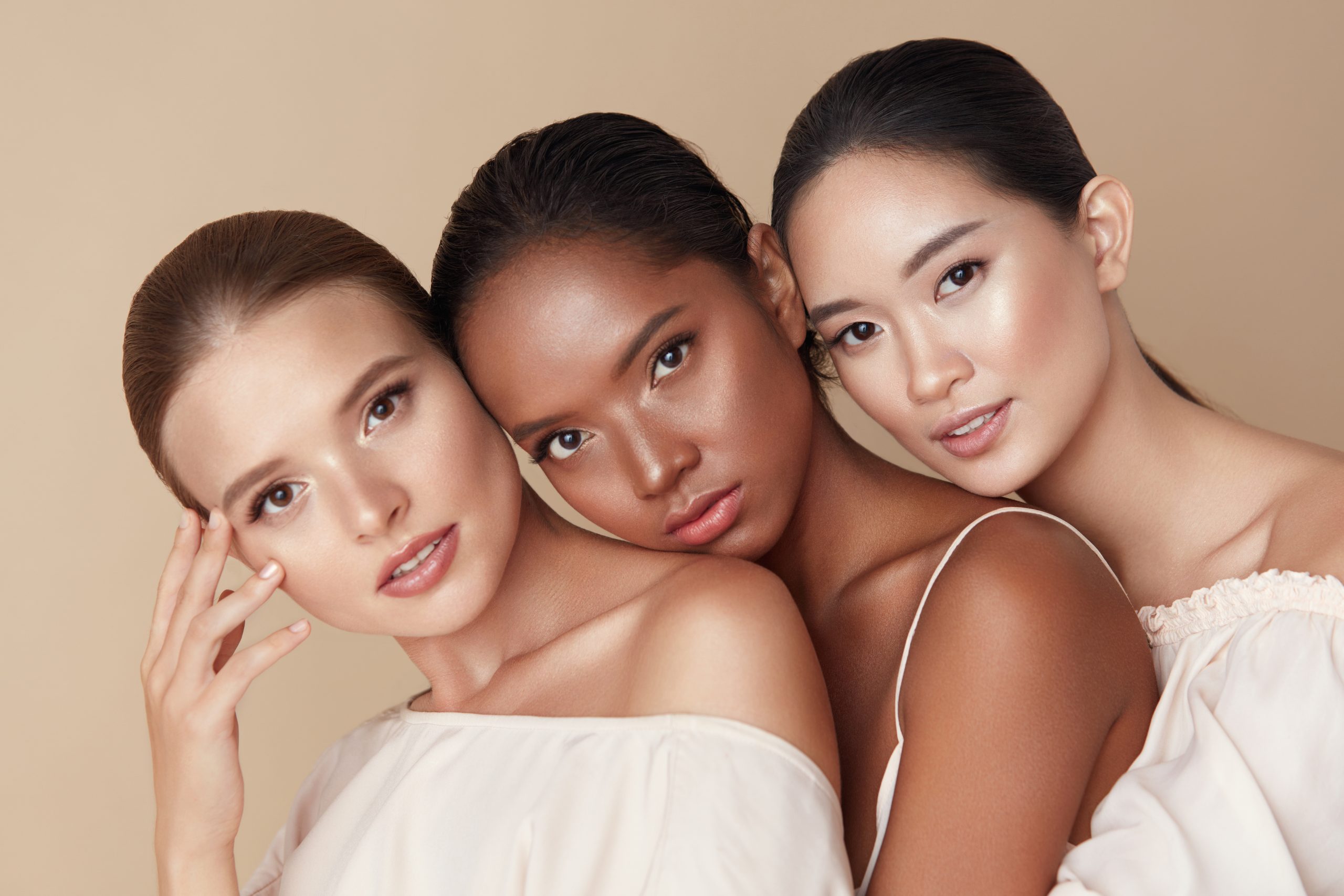
The beauty industry has been criticized for its lack of inclusivity. Women of color, transgender women, and other marginalized groups have often been left out of discussions and marketing. Although brands like Fenty Beauty and Kat Von D have made strides in providing shades for a diverse range of skin tones, many other brands have been ridiculed for lack of inclusivity. In order to be inclusive, all types of people should be represented in advertising, packaging, etc.

Below are some examples of segments that beauty brands must consider in their product development:

Male Makeup Market

It’s no secret that makeup is a multi-billion dollar industry. One of the driving forces behind its success has been that it lets people feel like they can change and express themselves how they want to, which is a powerful feeling. What was once solely for women is now being accepted by men as well. Male beauty influencers such as James Charles and Jeffree Star are leading the charge for this by normalizing makeup for men.

As part of their inclusivity efforts, beauty brands should be sure to consider this market in their product development and marketing initiatives.

Products for People of Color

The cosmetic industry has been criticized for not being inclusive of people of color. Brands such as Tarte Cosmetics have gotten backlash for their lack of products that cater to people of color. Scandals such as this have given way to higher consumer demand for wide shade ranges and products that suit various skin colors.

Addressing the Aging Population

There’s been a recent shift among consumers, but it has nothing to do with millennials or Gen Z. The people driving this new change are actually our parents and grandparents. AARP reports that there are currently 39 million Americans over the age of 50. This number will continue to rise as baby boomers age into their 70s and 80s. Not only does this market hold the largest share of disposable income, but they also want to use cosmetics to look and feel their best.

However, this population has largely been ignored by mainstream cosmetic brands. The messaging and products that cater to younger demographics simply don’t resonate the same way for older individuals. With this, brands must be cognizant of the type of packaging, marketing, and products that will appeal to this audience and even look at it as a market opportunity with lower competition.

What Does This Mean for Beauty Businesses

The rise in inclusivity demands put pressure on cosmetic brands to cater to different types of customers. This may mean creating products built for certain demographics, including broader shade ranges, or using male models on your packaging. However, another solution can give you an edge over your competitors and impress your customers: custom blend makeup.

How Custom Blend Can Bridge the Inclusivity Gap

Perhaps the best way that you can put inclusivity at the forefront of your business is by providing customized products. This allows you to cater to customers who want products that fit their unique needs and eliminates the need to buy makeup that doesn’t work for them. If a customer wants a foundation shade that matches their skin tone, you can make it on the spot in front of them. Colorlab’s custom blend solutions allow beauty brands to make custom products on the spot.

Create lipsticks, foundation, concealer, eye shadow, and blush in minutes, right before your customer’s eye. Not only is this a great way to build loyalty and differentiation, but it also puts inclusivity concerns to bed.

How to Get Started

Are you wondering how to get started with custom cosmetics? We’re here to help! Our easy-to-use system makes it a snap to customize your own products. Contact us today, and we’ll be happy to answer any questions or concerns that might come up.

Open post

Jello Skin: The New K-Beauty Trend Taking Over TikTok

Jello skin has been one of the latest beauty trends in Korea, taking over TikTok through video tutorials and hashtags. It started with a viral video of a girl showing her skin and comparing it to jello or gelatin, following compliments from her esthetician on the bouncy elasticity of her skin. If you haven’t heard of jello skin before, you might be wondering what exactly it is—and what it means for your business. If you are looking for the scoop on jello skin, and how you can take advantage of it for your business, look no further than this article.
What Is Jello Skin?

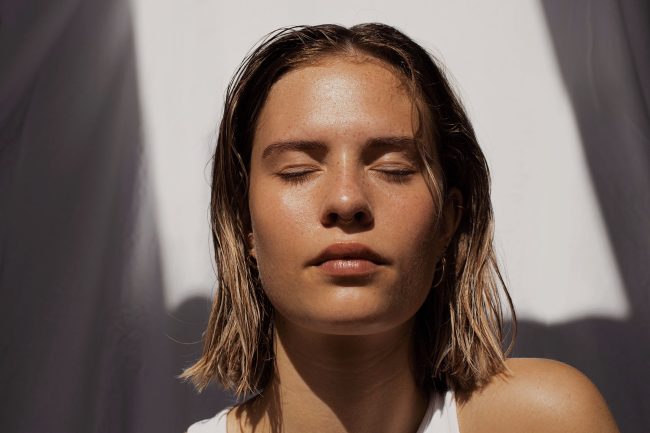
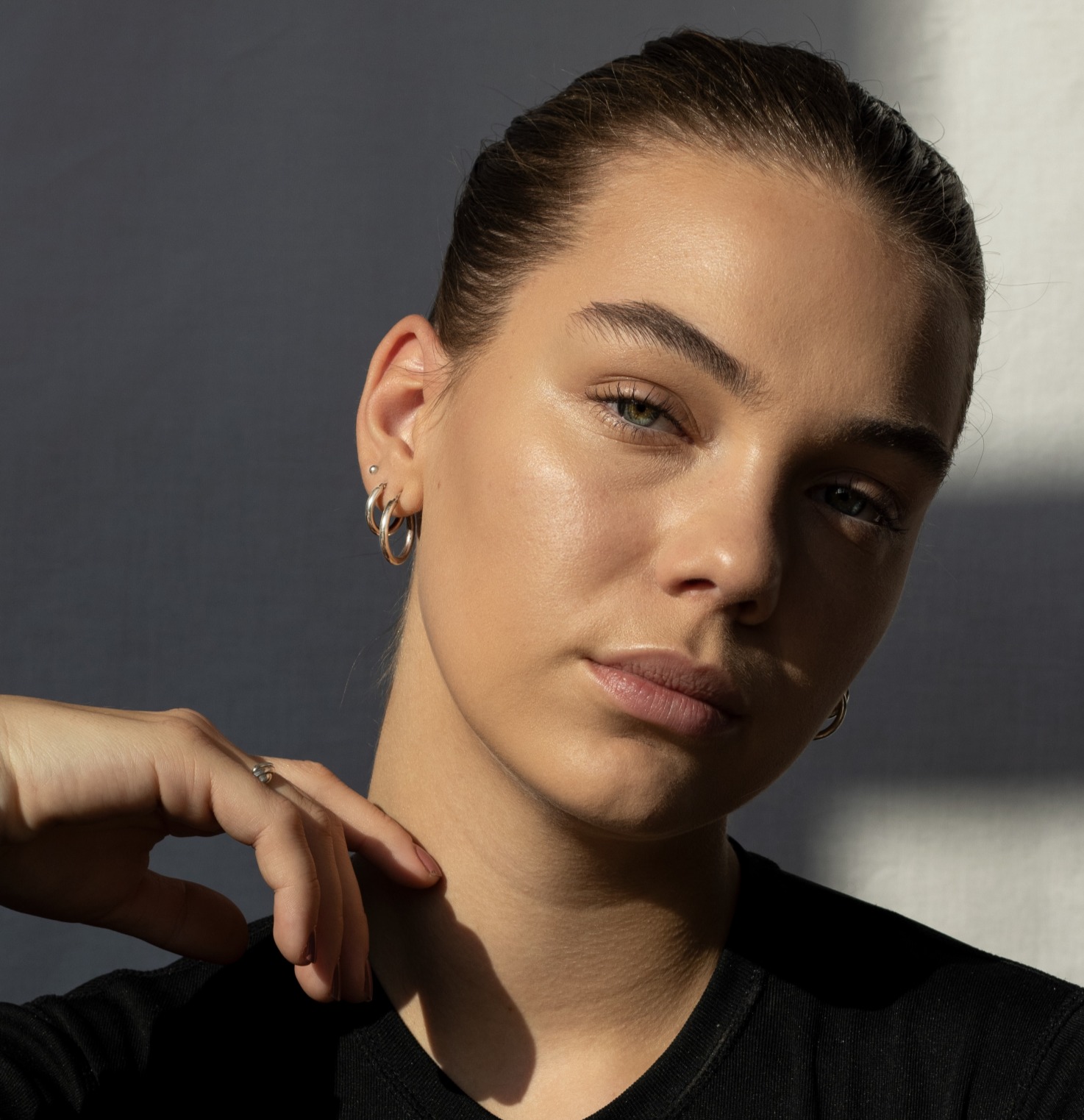
The Korean beauty trend, jello skin, is the newest way to achieve a plump, healthy-looking complexion. Jello skin is a term coined by Korean bloggers and influencers and can be translated as skin in its healthiest form. Unlike other trends like glass skin which emphasizes an almost translucent appearance, the natural glow of jello skin is achieved through hydration.

How is Jello Skin Achieved

Videos all over the internet claim that jello skin can be achieved through various different methods, but the key to glossy, plump, elastic skin is comprehensive care for your skin. Jello skin is achieved through three steps. First, you must cleanse your face using a gentle cleanser that won’t irritate your pores or cause dryness. Second, moisturize with products targeted for your skin type (ex. oily or dry) to keep it hydrated without feeling greasy.

Some other jello skin tutorials encourage watchers to exfoliate their faces and apply a hydrating primer before applying any products. Across the board, there is an emphasis on hydrating the skin by using moisturizers or masks that include hyaluronic acid.

As far as makeup goes, Jello skin creators encourage the use of lightweight makeup products on top of a primer for weightless coverage.

How Beauty Businesses Can Take Advantage of This Trend

As we have discussed in some of our other articles, consumers are jumping on board the latest skincare trends like never before, and jello skin is no exception. What does this mean for beauty businesses?

Focus on Skincare with Your Clients

For makeup artists and salon owners, a great way to help clients achieve jello skin is by offering skincare treatments or products. Whether that be spending some extra time with them prepping the skin or even just offering skin care advice, you can help them learn what they should be doing to care for their skin and achieve their desired results.

Offer Your Own Line of Skincare Products

As you chat about skincare and how they can obtain the jello skin of their dreams, what better way to help them (and your business) than by offering products that suit this need?

A Double Cleansing System

One way to achieve jello skin is by using double cleansing. Double cleansing is the process of washing off makeup and impurities with an oil cleanser before following up with water or foam cleanser. As we use makeup every day, it can be hard to remove it all without leaving behind some residue. This can lead to dry skin and clogged pores which can cause acne. By using an oil-based cleanser, you can better break down the oils in your face that are left behind after makeup removal.

Some products you can include in this system include:

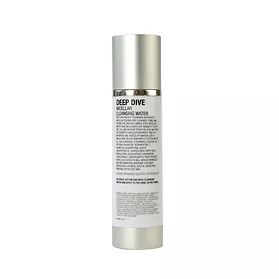
Deep Dive Micellar Water

Offer deep skin cleansing, toning, and repair with this all-in-one Micellar water cleanser.
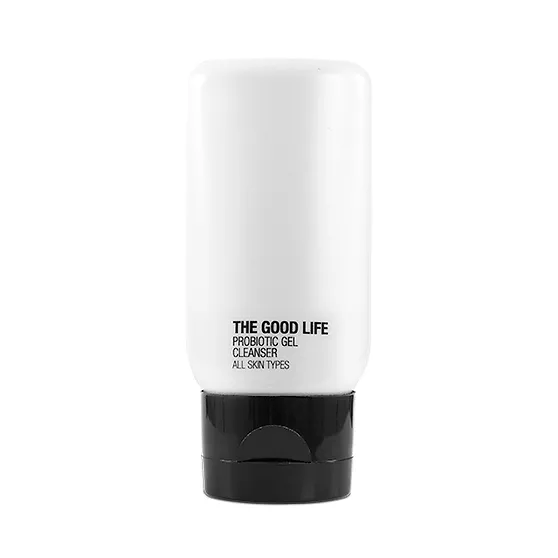
Probiotic Gel Cleanser

Encourage your clients to follow the Deep Dive Micellar Water Cleanser with this probiotic gel cleanser that helps rejuvenate the skin by protecting its biome and restoring its natural ecosystem.
An Exfoliation System:

One of the best ways to achieve jello skin is through exfoliation. Exfoliating can make the skin look healthy, refreshed, and plump. If you are a medical spa or esthetician, this is a great opportunity to suggest chemical peels, microdermabrasion, or other forms of exfoliation.

You can also offer an exfoliating cleanser that can be introduced into the client’s at-home skincare routine one to three times throughout the week.

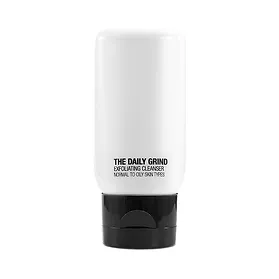
The Daily Grind Exfoliating Cleanser

This BHA-rich cleansing formulation helps slough away dead skin cells while leaving skin refined, and smooth.
A Personalized Treatment Option:

Especially for the skincare experts among us, this is a great opportunity to suggest some more personalized skin treatments or send them home with products that can help address their specific concerns or compliment their skin types.

Skin Infusion
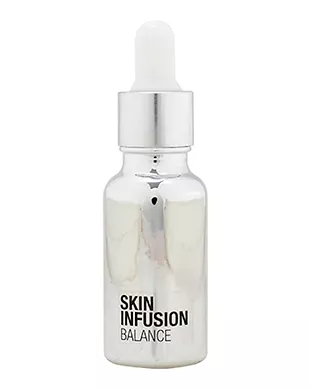
Our skin infusions come in various formulas designed to target some common skin concerns.

A Trusty Moisturizer

Finally, so much of the jello skin trend relies on plump, elastic, hydrated skin. Clients or customers can achieve this look through a powerful moisturizer that they can use as part of their morning and night routines.

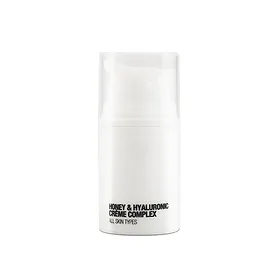
Honey & Hyluronic Créme Complex

Our state-of-the-art Honey & Hyaluronic complex is the perfect concoction of moisturizing and plumping ingredients. This product is designed to boost collagen, elasticity, and skin radiance all while fighting inflammation and dehydration.
Want more guidance on how you can successfully help your customers achieve the jello skin of their dreams? Talk to one of our business consultants!
Open post

7 Ways to Market Yourself as a Makeup Artist

If you’re a makeup artist, you know how difficult it can be to get new clients and keep them coming back. That’s because marketing yourself as a makeup artist can be hard! Getting your name out there is tough, especially in a super competitive space. Fortunately, we’ve put together some tips that can help you market yourself as a makeup artist and make people sit up and take notice of your skills! Follow these tips, and soon you’ll have more clients than you know what to do with!

1) Get a professional website

Any small business should have a professional website, especially a makeup artist. This is where you can include your portfolio, feature your best work and tell people how to book you. Before someone decides to work with you, the first thing they are going to do is Google you. By having a professional website, you can put your best foot forward and gain credibility and exposure.

If you need help building a professional website, our Beauty Wiz site builder can help you get set up.

2) Ramp up your Instagram

Instagram is a platform that was made for businesses with a visual component. The social media network has over 2 billion monthly active users, and people want to see beautiful things. Use Instagram as an alternative portfolio. Share your work, film tutorials, show before and afters, and give followers a glimpse behind the scenes.

The beauty space also has many feature accounts, so by using hashtags like #wakeupandmakeup and tagging the brands you use, you are likely to be reposted and expand your reach. Tagging brands and getting their attention is another great way to get on their PR lists and receive free products to add to your kit.

3) Start a YouTube Channel

Starting your own YouTube channel is another great way to market yourself as a makeup artist. Beauty tutorials get millions of views on YouTube so by creating some of your own, you can showcase your skills and grow an audience of potential clients. If you’re doing a client’s makeup anyway, try filming it and then add a voice-over explaining what you’re doing and what products you are using. If you film a tutorial for YouTube, it’s also easy to repurpose it for TikTok and Instagram reels.

4) Start a TikTok Account

If you want to be a successful makeup artist, you need to have a strong social media presence. And what better platform to be on than TikTok? With over 1 billion active users, TikTok is a great way to reach new audiences and build your brand. Plus, you can use the content you are creating for YouTube and easily edit it, so it suits TikTok. See more tips about using TikTok to market yourself here.

5) Go to Industry Conventions and Trade Shows

If you want to market yourself as a makeup artist, it’s important to go to industry conventions. This is a great way to network with other professionals, learn about new products, and get your name out there. Plus, it can be a lot of fun! Here are the biggest shows:

6) Network with Wedding Planners, Photographers, and Stylists

When it comes to marketing yourself as a makeup artist, it’s important to network with other professionals in the wedding industry. This means wedding planners, photographers, and stylists. Why? Because they are your potential colleagues. By making a great impression in your bookings and networking with others in the industry, the next time someone is in need of a MUA, your name is likely to be mentioned. Plus, they may even be able to give you some referrals

7) Start Your Own Cosmetic Line

The last tip for marketing yourself as a makeup artist is starting your own cosmetic line. This is a great way to upsell existing clients and also keep your brand name circulating. Owning your own line of products can give your brand additional credibility and can help get you more exposure. After all, when a client buys a lipstick with your brand on it, they are essentially carrying your business card with them in their purse or cosmetic bag. And when one of her friends asks what she’s wearing, she will be able to send them to you. Get started with your own private label products or make your own with custom blend or contract manufacturing.

Open post

Tips for Beauty Brands to Grow Their Instagram Following

With over 2 billion active monthly users, Instagram has quickly become the go-to platform for beauty brands that want to build their following and engage with their target demographic. The visual nature of Instagram makes it an effective platform to showcase your brand’s latest product offerings, inspirational images of your favorite products in action, and sneak peeks into your company’s offices and employees (we can’t get enough of these!). But with over 1 million beauty brands on Instagram, how can you make yours stand out?

Know Your Audience

Before you can put together an Instagram growth strategy, you must first understand your audience. Do you want to reach brides-to-be, fashion businesses, or beauty enthusiasts? First, determine who your audience is, and then ask yourself what would interest them. Do they want to see tutorials? Product reviews? Transformations?

Once you know who you’re trying to reach, you can start creating content that appeals to them. If you are unsure what kind of content they want to see, try posting different things and see what generates the most engagement.

Run a Giveaway

Giveaways are a great way to increase engagement and grow your following on Instagram. Choose a prize that will appeal to your target audience (free product, a free makeover, a free service, etc.) and promote the giveaway across all of your social media channels. Tell people that they must follow your Instagram and tag friends in order to enter. For this reason, you want to make sure the prize relates to your business. You wouldn’t want to give away a free iPad and have a bunch of tech enthusiasts following you as a result.

Leverage Influencers

Influencers are another great way to grow your following. Find and partner with micro-influencers in your niche who have an engaged following that would be interested in your products. You can also give influencers free products in exchange for shoutouts and reviews on their posts. Working with influencers will not only help you sell more products but will also get you more followers.

Use Hashtags

Hashtags are another great way to reach a wider audience with your posts. It will increase the chances your post will be promoted in users’ feeds and help you show up on the explore page. In addition, many beauty feature accounts have unique hashtags that you can use to potentially be reposted on their pages. The easiest way to do this is by using the hashtags of the brands you used to achieve a look. Some other popular feature hashtags include:

#makeupaddict, #wakeupandmakeup, #instamakeup, #dressyourface #mua, #makeupobsessed #balayagedandpainted

Tag Locations

Especially when you run a local beauty business, tagging locations is essential. This will help people in your area find you on Instagram. Additionally, tagging a location increases the likelihood that Instagram will suggest your post or account to others in your area.

Incentivize Engagement with Your Captions

Beauty brands can use Instagram to connect with their target audience and grow their following by sharing stunning photos and interesting captions. But, it’s not enough to just post pretty pictures. You need to incentivize engagement by using your captions. Getting more engagement (likes, comments, shares, and saves) will boost your post in your follower’s feed. Some great ways to do this include asking a question or instructing them to comment or tag a friend. For instance, “tag your makeup junkie friend” or “what do you think of this look?”

Tag Brands

If you used a certain brand or product to achieve a given look, be sure to tag them in your post. Do this by tagging the account in the post and using their hashtag in the caption. This will likely get the attention of the brand and potentially get you reposted on their page. If you sell your own cosmetic products, tag the products in your posts using your Facebook commerce store.

Use Stories

Stories are a great way to connect with your audience on a more personal level and to share raw content that you may not want to share permanently on your feed. Give people a glimpse into the behind-the-scenes of the business, give sneak previews of new products and events, and tell people when you posted something new.

Use Reels

Reels are the newest Instagram feature, inspired by the sensational TikTok. The Instagram algorithm favors reel content and gives more preference to creators (and businesses) who use them. Especially as a beauty business, there are countless ways to use reels—try sharing tutorials, transformations, explanatory content, and more. You can then repost this content onto your TikTok account as well—allowing you to reach a larger number of users.

Repost User Generated Content

User-generated content is another tool you can use to grow your following and expand your business through Instagram. User-generated content is content that you can share on your page but (as the name would suggest) is generated by users. This means re-posting clients who tag you in their posts or sharing content that users post using your products. This will not only give you more content to share on your page but will incentivize your followers to tag you in their posts.

Open post

7 Skincare Trends Your Clients Will Be Asking For This Fall (And How to Stay Ahead of the Curve)

Over the last few years, we’ve seen the emergence of many new skincare trends that have changed how people approach caring for their skin. Whether it’s at-home devices or expensive treatments and products, people are investing more and more in this vital part of their health and wellness, which means that skincare professionals must be ahead of the curve to meet their customers’ needs. Here are seven skincare trends that will be popular this fall and tips on how to stay up to date so your customers will continue to trust your recommendations.

Natural Looks

The natural look has been trending all year long. As we saw with the viral “clean girl” trends on TikTok and Youtube, consumers favor minimalist makeup looks that can fool people into thinking they are wearing no makeup. This trend is all about keeping it natural with a fresh and dewy finish. Customers want to skip the foundation and opt for a tinted moisturizer instead. This means having light-coverage and natural-looking makeup products in your line and also providing skincare products that will give them a complexion that they are comfortable rocking with minimal makeup.

Double Cleansing

Makeup wipes are a thing of the past. Consumers now see the value of washing their faces with a reliable cleanser and even double cleansing. Beauty gurus and influencers alike are stressing the value of using a makeup remover and then a cleanser. These trends have been building since last year but will be increasingly more common this fall as we head into colder weather. The best thing you can do to keep up with this trend is to make sure you have some reliable cleansers to sell to your customers.

Chemical Exfoliants

The latest skincare trend is chemical exfoliants, which are products that use acid to slough off dead skin cells and reveal a smoother complexion. To make it as easy as possible for customers to integrate chemical exfoliation into their routine, try selling an exfoliating cleanser that can help smooth and clear their skin while also complimenting their double-cleansing regimen.

Anti-Inflammatory Skincare

Another skincare trend is all about reducing inflammation and soothing the skin. The idea behind this is that when your skin is inflamed, it doesn’t perform as well and has a harder time repairing itself – so taking steps to reduce inflammation will leave your customers with smoother, healthier-looking skin. Try our soothing skin infusion to help customers fight irritation and inflammation.

Simpler Skincare Routines

Today, customers want to do less with more. They want three or four products that can achieve multiple benefits like anti-aging, sun protection, and hydration. They also want to know that products are cruelty-free and safe to use on their skin.

Broader UV Protection

This year, more and more people are looking for sun protection in their skincare products. UVA rays are known to be invisible and can penetrate through glass, so it’s important that your clients are using broad-spectrum sunscreen every day.

Hygienic Packaging

Another way to stay ahead of the curve is by implementing hygienic packaging. Packaging can be a key factor in consumer perception and purchase decisions. Consumers are drawn to products that have a clean and hygienic look, so consider adding things like clear plastic tubes, droppers, and pump dispensers to your product lines if you haven’t already. Colorlab prioritizes hygiene and sanitation in all of our products and packaging, so by working with us, you don’t have to give this step much thought.

Need Help?

Need help deciding how to stay ahead of the skincare trends? Talk to one of our business development strategists to see how you can step up your skincare line.

Scroll to top